The United Nations has issued a stark warning that the Gaza Strip is on the brink of famine, citing the near collapse of humanitarian access, widespread food shortages, and continued hostilities that have crippled civilian life across the territory.
According to UN agencies, restrictions on aid delivery, damage to infrastructure, and ongoing military operations have combined to create what officials describe as one of the most severe humanitarian crises in recent history.
Why the UN Issued the Warning
The warning follows weeks of deteriorating conditions in Gaza, where food distribution systems have largely broken down. UN officials say humanitarian convoys face severe access limitations, while warehouses, bakeries, and supply routes have been destroyed or rendered inoperable.
The World Food Programme has reported that food supplies are critically low and that large segments of the population are surviving on minimal rations. Medical facilities have also warned of rising malnutrition, particularly among children and the elderly.
What “Famine Conditions” Mean Under International Standards
Under international humanitarian assessment frameworks, famine is declared when extreme food shortages lead to widespread malnutrition, disease, and increased mortality. While a formal famine declaration requires extensive data, UN officials say Gaza is rapidly approaching those thresholds.
The UN Office for the Coordination of Humanitarian Affairs has stated that the scale of deprivation now exceeds emergency levels seen in many previous conflicts.
Legal and Humanitarian Obligations
Under international humanitarian law, parties to an armed conflict are required to allow and facilitate rapid and unimpeded humanitarian access for civilians. UN officials have reiterated that starvation of civilians as a method of warfare is prohibited under international law.
Several international legal experts have warned that prolonged restrictions on aid access could raise serious legal questions regarding compliance with humanitarian obligations, particularly in densely populated civilian areas.
International Response and Political Divisions
Despite repeated warnings, the international response remains divided. Some countries have increased humanitarian funding and called for expanded aid corridors, while others argue that security concerns justify continued restrictions.
Diplomatic efforts to secure sustained ceasefires or humanitarian pauses have so far failed to produce lasting access improvements, leaving aid agencies struggling to scale up relief operations.
Impact on Civilians
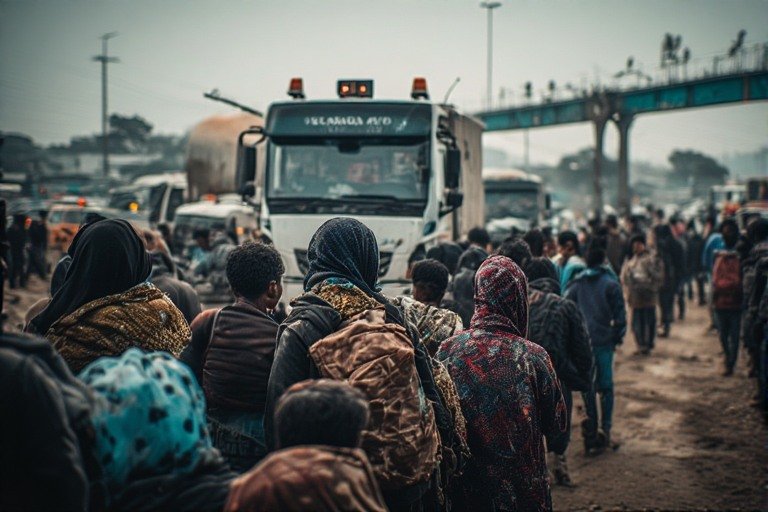
For Gaza’s civilian population, the consequences are immediate and severe. Families report skipping meals, consuming unsafe water, and relying on irregular aid deliveries. Health workers warn that malnutrition could have long-term consequences even if hostilities were to end soon.
Children are among the hardest hit, with UNICEF warning of irreversible developmental harm if food and medical shortages persist.
Bottom Line
The UN’s warning that Gaza is nearing famine underscores the scale of the humanitarian catastrophe unfolding amid the conflict. Without a significant and sustained increase in humanitarian access, international agencies warn that preventable deaths could rise sharply in the coming weeks.
Sources:
United Nations statements; World Food Programme situation reports; UN Office for the Coordination of Humanitarian Affairs briefings; Reuters reporting on Gaza humanitarian conditions.